terça-feira, 14 de agosto de 2012

Interview With The Agent: Pedro Power


The following interview was conducted by Matthew Hochberg (@thebigHoch_). Matthew Hochberg will be attending Ithaca College in the Fall, studying Sport Management. The subject of the interview is Pedro Power. After three years of playing professional soccer, Mr. Power became a sports agent and is currently the Vice President of TXB Basketball.

Matthew Hochberg: What made you want to become a sports agent?
Pedro Power: It was always a goal of mine to become a sports agent.  It was something I always wanted to do after I was done playing professional soccer.  Basketball was a sport I followed more than soccer, but for some odd reason soccer was one that I played a lot more than basketball.  I guess it worked out, because I made a career out of both sports.
Matthew Hochberg: Why was your professional soccer career cut short? Do you ever think about an attempt at a comeback?
Pedro Power: I had a chronic groin injury that would always come back when I would train rigorously on an everyday basis.  It’s something that I dealt with since college and it was a come-and-go type of injury that started to get to me.  I don’t think so much of a comeback, but I do play from time to time to keep myself in shape.
Matthew Hochberg: What impact did attending Slippery Rock University have on you to become a sports agent?
Pedro Power: Initially I committed to Slippery Rock University, following my ultimate dream to become a Professional Soccer Player.  I received a full scholarship to play soccer and studied International Business.  SRU played an impact, because it taught me how to conduct business in other countries, which I apply when I sign players overseas.  Slippery Rock also has a great tradition of Sports.
Matthew Hochberg: Do you feel playing three years of professional soccer gives you an edge when dealing with athletes?
Pedro Power: Absolutely.  I can relate to an athlete a lot more than the average person can.  Even though it’s a different sport, we all go through the same process in choosing an agent, and different things we have to overcome as athletes.
Matthew Hochberg: Who was your first client, and how did you recruit him?
Pedro Power: My first client was a Center from the University of Iowa.  His name is Seth Gorney.  I recruited Seth knowing the big demand there was for big man overseas, so I went with someone like Seth who was 7’0 that I knew I had a pretty good chance in placing on a team.  I sent Seth an email, introducing myself and telling him a little bit about myself.  I remember him replying to me letting me know that he was interested and to keep in touch after the season.  Once the season was over we kept in touch, and I signed him.  Always appreciative to Seth for giving me a chance to break into this business.
Matthew Hochberg: How did you handle your first contract negotiation?
Pedro Power: I was pretty confident when I negotiated my first contract.  It was pretty simple and it came natural to me.  It felt like something I have been doing for a long time.  I was actually sending one of my players overseas and the GM of the team was very cooperative with the process.
Matthew Hochberg: How did you become Vice President of TXB Basketball?
Pedro Power: I had a vision to offer our clients way more than just the representation aspect.  I wanted to be able to provide a marketing service that will literally go out of the way to get Marketing Deals for our clients at a International Level.  So what better than to get two large International Players together that specialize with top International Athletes and are experienced in large marketing deals?  We formed a Joint Venture between Traffic Sports and XYZ Live Sports, two of the largest sports marketing firms in the world.  We came together to create TXB.  XYZ Live was created from the merger of leading entertainment and sports companies in the beginning of 2011. XYZ Live differentiates itself in the market by combining its business force in sports and the offer of a full strategy package for its clients. The company unites great talents and brings its experience of creating the most important events in entertainment, sports, soccer, fashion, and culture. Traffic Sports has been an active player in sports marketing for 30 years and offers communication solutions that add value to its clients’ and partners’ brands in sports events and other media and entertainment actions.  As a leader in the segment in Latin America, Traffic goes beyond the continental borders in promoting and marketing sports events.
Matthew Hochberg: Who are some clients you currently represent?
Pedro Power: Bernard Robinson, Benzor Simmons, Steven Toyloy, Ronnie Moss, Hamidu Rahman, Dago Pena, Ruben Cotto, Andres Ortiz, Paul Crosby, and Francisco Cruz.
Matthew Hochberg: What is the most important aspect of being a sports agent?
Pedro Power: To be able to provide for our clients.  We have a vision to provide a service, that reaches far beyond the basketball court.  All of our players have a personal relationship with me that we’ve developed through time.  Helping a client reach his goals is something we are dedicated in providing.  We cater a strict plan for each and every client and accomplish sub-goals to accomplish the ultimate goal.  We are an open book agency, where we have our clients come to us and express themselves about anything they need.  We are happy in keeping our clients happy.
Matthew Hochberg: What is the best part of being a sports agent?
Pedro Power: I love being hands on with the daily operations of being a sports agent.  I like feeling connected to the game, I enjoy attending basketball games and watching existing clients and players I’m recruiting play.  I enjoy travelling, and being able to see different parts of the world I never have experienced before, the entire recruiting process, interacting with families, advisors, coaches etc.  is truly, for me, the best part of being an agent.  And not to mention, helping young athletes accomplish their goals of becoming professional athletes is very satisfying for me as an agent as well.
Matthew Hochberg: What has been your most embarrassing moment as a sports agent?
Pedro Power: I really can’t recall a particular moment that I can say was embarrassing.  I think all of us (Agents) go through similar mistakes along the way which we learn from and move forward, which is part of the business.  As soon as something embarrassing happens moving forward after this interview, I will make sure to pay more attention to it, and to let you know.
Matthew Hochberg: What are your future goals in regards to the sports agent industry?
Pedro Power: My main goal is to be highly recognized in this Business.  I believe with my hard work and dedication, it’s only a matter of time until it happens. Also to have the opportunity to work in the field of Sports, something I have a passion for, is a blessing within itself.
Matthew Hochberg: What advice do you have for those looking to break into the industry?
Pedro Power: The most important aspect in this business is networking and getting an opportunity to intern with someone who is already in the business.  Be persistent, learn how to deal with lots of problems, and multitask very efficiently.
Matthew Hochberg: Does your agency offer internships for those looking to break into the industry?
Pedro Power: Yes, we do.  We always look for potential young interns that can help TXB.
Matthew Hochberg: On behalf of SportsAgentBlog.com, I would like to thank Mr. Power for sharing his knowledge and experiences with us. You can check out his website at http://txbbasketball.com/ and follow him on Twitter @PPower20.

Why the NBA Should be Opposed to David Stern’s 23-and-Under Proposal


Aug
14


The following article is a guest contribution by Benjamin Haynes, Esq.   Haynes is a former Division 1 Basketball Player at Oral Roberts University and currently practices law in the State of Florida.
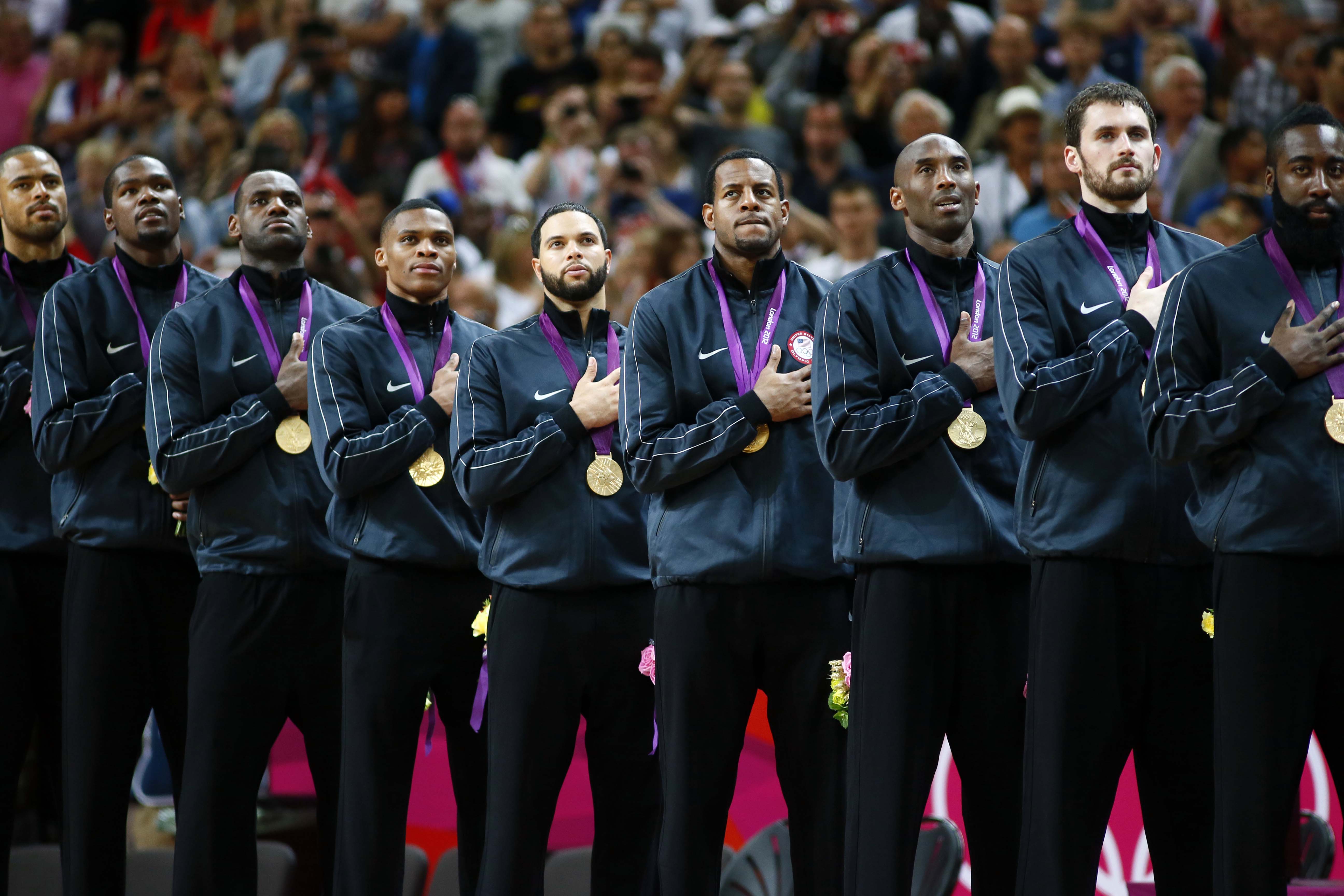
The twelve men of the USA basketball team stood tall with gold medals around their neck and their hand across their chest as their country’s flag ascended and the National Anthem played. It was a special moment, not only for those players, but for our country.
Recently, David Stern proposed an idea on implementing an age limit of 23-and-under for the future Summer Olympic basketball games. Stern and many NBA owners believe that the NBA gains nothing from the Olympics. Further, the NBA owners are extremely fearful that their NBA star players will suffer an injury that will then hamper their upcoming NBA seasons. While the owners are fearful of injury, Stern is concerned about the NBA’s lost income. With cutting out NBA players over 23 from the Olympics, Stern would turn the NBA’s attention towards the World Cup, where the NBA could potentially make billions of dollars and the players could see profit.
While the owners have a legitimate concern about their players’ health, players are never forced to play in the Olympics. Further, Dwight Howard, Dwyane Wade, and Chris Bosh, who all would have been on this year’s Olympic team, did not participate due to health related issues. Nobody faulted them for not trying to play through an injury. Sure, guys like Lebron, Kobe, and Durant, who are healthy, would all be frowned upon should they decline to participate in the Olympics. Yet none of them have hinted at not wanting to compete. After winning bronze in 2004, Lebron and Carmelo committed to team USA and brought back gold to America in the 2008 games, earning the label, the “redeem team.”
Money should never determine whether our players will play in the Olympics Games. The tradition and history of the USA men’s basketball play has been an incredible spectacle of sporting greatness, and the pride that comes with such tradition is unmatched. After the final game of the 2012 Summer Olympics, Lebron stated, “But this right here, it means more than myself, it means more than my name on my back. It means everything to the name on the front. I’m happy that I was able to contribute to this great team. It’s one of the best teams ever.” To this day, the 92’ USA men’s basketball team is considered to be the greatest team to ever be assembled in any sport. Where else do you have opposing players asking for autographs during and after the game? That’s the greatness that is brought to the forefront when America’s top stars come together unified and play with one common goal. A gold medal.
The point is that the Olympic Games are about athletes representing their country to the best of their ability. That means countries placing their best teams they have out on the floor. While the players are not paid to play in the Olympic Games, most of these players truly want the experience of representing their county in the Olympics. Just ask any of the twelve USA basketball players who stood tall in London. Further, ask Spain as well. While Spain’s players received the second place silver medal, there is no disputing that those players were extremely proud about representing their country. After the final game, Pau Gasol stated, “We fought for 40 minutes. I am proud of having another Olympic medal around my neck.”
Further, placing our best players on display for the entire world to see is great notoriety for the NBA itself. This year, there were 40 NBA players representing their countries in the Olympics. The rules should stay intact. Let the players choose whether or not they want to compete in the Olympics. Yes, it is a big commitment for these players, who are already playing a long NBA season beforehand, and yes, there is potential for these players to suffer severe injury, but don’t take that choice away from the superstars themselves. When Kobe Bryant was asked about David Stern’s proposed rule change, he stated, “It’s a stupid idea.” Don’t fix what isn’t broken, David. USA basketball is on top of the basketball world, keep the rules as they are and allow more history to be made in the future by letting the best represent.

segunda-feira, 13 de agosto de 2012

Golf And Social Media- Golfers Are Engaged


Golfers And Social Media

The National Golf Foundation has run a few studies over the past few years to try and determine just how engaged golfers are in the online world.  One fo the key areas they look at was social media and the results were surprising to say the least.
Golf and social mediaThey defined “core golfers” as the group that played 85% of all of the rounds and were responsible for more than 85% of all fo the spending in the golf industry.  As you might imagine, that group is fairly conservative and not the type of people who you would expect to be very active in the world of social media.  Well…it turns out that just the opposite was true.  they are extremely engaged with social media and they are a very active group.  In fact, they were more engaged with social media and user generated content than the general population.
Take a look at some of these shocking statistics:
  • 60% of core golfers maintain a profile on at least one social network
  • 3.7 million core golfers regularly read blogs about brands, courses, travel and professional golf
  • 6.9 million core golfers visit their primary social network at least once per week
  • 3.9 million core golfers visit their primary social network every day!
These numbers are increasing year over year with no real signs of slowing down.  There are hundreds of millions of dollars of golf buying decisions being influenced every day in world of social media.  Whether it be through branded social media sites, blogs offering opinions, or golfers sharing their experiences, there is clearly a desire in the golf community to communicate through social media.  It makes one wonder how so many brands and athletes can be missing the opportunity that is staring them in the face.  The core gold audience is begging for more social media and the brands and players who step up and deliver will reap the rewards.
Ok…so that all sounds great because it is a world of opportunity out there in social media.  But there is a down side to all of this as well, and that is the possibility of doing it all wrong.  It does not take very long for a mistake to travel around the world these days and become a trending topic on Twitter.  Yes that may bring attention to your brand, but is it the attention you want?  Obviously that answer is no.  The best bet is to hire a professional company to help you with your social media to ensure that you are doing everything right.  That is not to say that you need to keep them around forever, but laying a solid foundation is a critical component to a successful social media presence.  You need to understand the rules and audience expectations of social media and…you must remember that social media is a two-way conversation.  You must have the time, desire and ability to create quality content on a regular basis and then be prepared to respond to questions and comments.  Your social media company should help you in the beginning and then teach you how to handle it in house for the long haul.
Remember that there is a huge opportunity out there so you want to get it right.  Just because you can engage in social media for free, does not mean it is easy.  After all, most golfers have taken golf lessons from a professional or a coach to build their foundation.  Don’t you think you might want to follow suit when it comes to your social media efforts?

domingo, 12 de agosto de 2012

Medalhas cada vez mais caras

Quais os países mais eficientes nas últimas Olimpíadas ?


Propomos uma forma diferente de enxergar o quadro de medalhas das Olimpíadas: em vez de contar apenas os números totais, calculamos o desempenho de cada país proporcionalmente à sua riqueza (o PIB) e ao seus recursos humanos (o tamanho de sua população). Para isso, somamos as medalhas de ouro dos últimos três Jogos Olímpicos (Sydney 2000, Atenas 2004 e Pequim 2008) e dividimos pelos seus indicadores. O Brasil não vai bem em ambos os rankings. Veja os dados completos abaixo

http://oglobo.globo.com/infograficos/olimpiadas-2012-eficiencia/

sábado, 11 de agosto de 2012

The road forsaken - Investing in Brazil’s infrastructure


Brazil’s infrastructure needs are huge. So is the job of attracting private capital

Let the games begin

IF MITT ROMNEY, America’s Republican presidential candidate, doubted London’s preparedness for the 2012 Olympics, what must he think about Brazil’s? The 2016 Olympics and 2014 football World Cup will happen in a country where only 14% of roads are paved. The World Economic Forum ranks Brazil’s quality of infrastructure 104th out of 142 countries surveyed, behind China (69th), India (86th) and Russia (100th). On a recent visit to Santos, Brazil’s largest port, your correspondent watched men clean up the remains of a ship that had exploded carrying chemicals—in the 1970s.
In theory, Brazil’s urgent infrastructure needs should provide rich pickings for investors. From 2011-14 the government will spend 163 billion reais ($80 billion), or 1% of GDP a year, on infrastructure as part of its “growth acceleration” programme. That is not enough, says Arthur Carvalho of Morgan Stanley. According to a 2010 report by the bank, Brazil would need to spend 6-8% of GDP annually to catch up with South Korea in 20 years and 4% per year to catch up with Chile.
But there are plenty of reasons to think that private capital will not rush to fill the gap. Infrastructure projects require lots of debt, but long-term financing in reais is extremely expensive. Loans are available from BNDES, Brazil’s giant national development bank, at a more affordable rate, but its activities have the effect of crowding out other lenders. The Brazilian government is trying to encourage projects to use tax-free infrastructure bonds, but so far there has not been a successful issuance. Exactly who will buy these bonds is unclear since Brazilian investors can get a comparable yield without taking on so much risk.
There is a lot of risk to go round. Getting hold of environmental licences to undertake big projects is a huge hassle. They have been known to delay a project’s start by as much as five years. One aggrieved investor recounts how his firm had to wait months to get approval to take over a port terminal, because it needed 21 separate entities to sign off. Dilma Rousseff, Brazil’s president, has at least made it possible to fast-track approval for certain infrastructure projects. Yet it is not unheard of for a project to be halted when it is nearly finished, as happened earlier this year to a São Paulo mall because of a missing licence. The introduction of “completion insurance” could help, says Fernando Gentil of Darby, a private-equity firm, but no one offers it in Brazil at the moment.
Whether investors are willing to put up with delays, bureaucracy and other costs ultimately depends on what sort of return they expect to achieve. Most infrastructure funds in Brazil say they target nominal returns of around 20%. But a licence to operate three airports that the government auctioned in February looks set to yield only 8%. Investors in infrastructure also want long-lasting projects with stable cash flows, which means they will probably leave it to the government to build stadiums that may barely be used after the 2016 Olympics. As for other projects that matter a lot more to the country’s future, Ms Rousseff has lots to do if she wants to lure private money to back them.

sexta-feira, 10 de agosto de 2012

Adidas mira mudança de atitude para Rio-2016


Máquina do Esporte
ENTREVISTA
Simon Cartwright - Vice-presidente da Adidas
ERICH BETING
Da Máquina do Esporte, em 10/08/12 as 9:36
Fazer do limão uma limonada. Esse pode ser o resumo do trabalho que Simon Cartwright teve ao assumir o projeto da Adidas para os Jogos Olímpicos de Londres. Conhecida como a “marca das três listras”, a fabricante alemã tinha o difícil desafio para 2012 de causar impacto nos Jogos sem poder mostrar exatamente aquela que era sua marca oficial.

Por um veto do Comitê Olímpico Internacional, desde os Jogos Olímpicos de Pequim, em 2008, que a Adidas está “órfã” de suas listras em Olimpíadas. Cartwright, vice-presidente da companhia e responsável por todo o projeto olímpico no Reino Unido, diz que no fundo a situação foi benéfica para a marca.

Numa conversa exclusiva com a reportagem da Máquina do Esporte em Londres, o executivo falou sobre o que mudou na visão da empresa a partir do momento em que as listras saíram de cena. E, também, comentou sobre a diferença que é ser um patrocinador oficial de um não-oficial dos Jogos. Isso, aliás, é o que deve mudar o posicionamento da Adidas para o Rio-2016, quando a empresa não será patrocinadora dos Jogos após 16 anos.

Confira a seguir trechos da entrevista com Simon Cartwright.

Máquina do Esporte: O quanto os Jogos Olímpicos são importantes para a Adidas e para o desenvolvimento da marca?
Simon Cartwright: Nós sempre tivemos muito orgulho de patrocinar os Jogos Olímpicos e Paralímpicos. Nossa associação com o movimento olímpico já tem 80 anos e nós gostamos de nos ver como uma marca olímpico. Os valores que os Jogos e a Adidas têm são muito parecidos; a paixão, a inovação, a autenticidade. Então é algo perfeito para estarmos associados.

ME: Em relação à edição de 2012 dos Jogos Olímpicos, como está sendo o impacto para a marca?
SC: Os Jogos estão sendo até agora fantásticos. Londres, desde o princípio, mostrava que seria um lugar especial. Desde as primeiras conversas com o comitê organizador nós sabíamos que seria muito diferente de Pequim. E até agora foi muito bem sucedido em ser mais britânico, com mais humor e toda a cultura que são característicos daqui. Para nossa marca isso é uma excelente forma de se aproximar do consumidor, porque isso engaja mais as pessoas.

ME: Londres tem conseguido de fato ser um lugar em que todos querem estar para acompanhar os Jogos...
SC: Eles fizeram um ótimo trabalho em tornar os Jogos acolhedores, em engajar as pessoas, além de deixarem de fato um legado para a população com o evento. E nós queremos encorajar as pessoas para praticar mais esporte, então tudo isso traz um casamento perfeito.

ME: É mais fácil trabalhar com esse tipo de atmosfera do que em Pequim, em que tudo era rigorosamente controlado pelo governo e era um mundo desconhecido?
SC: Minha experiência em Pequim foi muito boa, mas fiquei lá só uma semana, foi diferente... Estou por aqui as Olimpíadas inteiras, e também pelo fato de eu ser inglês acho que estou bastante empolgado com tudo. Mas acho que por aqui a paixão pelo esporte está transbordando entre as pessoas. Quando um atleta ganha uma medalha você vê as pessoas comentando nas redes sociais que querem começar a praticar aquele esporte, seja ele qual for. Isso é um dos objetivos da Adidas e do Comitê Olímpico Internacional, então é muito bom. Acho que esses Jogos farão as pessoas saírem do sofá e praticarem mais esporte.

ME: Qual a importância, dentro de todo esse contexto, de a marca ser então a patrocinadora do time britânico?
SC: É importante. Ao patrocinar o time britânico e os Jogos Olímpicos conseguimos ser a marca líder do mercado inglês este ano e acredito que conseguiremos crescer nos próximos anos, sustentando a nossa posição como marca número 1 na Inglaterra.

ME: Em 2016 a Adidas não será patrocinadora do time brasileiro. Como será o comportamento da marca para os Jogos Olímpicos no Rio?
SC: Como marca, vamos primeiro nos concentrar na Copa do Mundo de 2014, que é patrocinada pela Adidas. Teremos diversas ações de ativação de patrocínio e de exposição da marca para a Copa, e então nós passaremos a ver o que fazer para os Jogos Olímpicos. Óbvio que para nós será um pouco diferente, porque não seremos os patrocinadores oficiais, algo que não acontece desde os Jogos de Sydney, em 2000. Teremos com isso de achar uma nova abordagem, mas é certo que continuaremos com nossos atletas e também provendo os melhores produtos para eles terem a melhor performance. Pode ter certeza de que ainda significará um investimento muito grande da empresa no evento.

ME: Mas isso significa que a empresa concentrará mais esforços na Copa do que nas Olimpíadas?
SC: Como uma marca que é líder no mercado de futebol e que tem sua história construída a partir dele, obviamente que vamos investir bastante no mercado brasileiro por conta da Copa. Nós vamos ver bastante coisa também nas Olimpíadas, mas será uma estratégia totalmente diferente, com outra abordagem. Nós tentaremos capturar bastante do estilo brasileiro, dos valores dos brasileiros, que são coisas que podemos trabalhar melhor sem sermos patrocinadores oficiais. Deveremos trazer a paixão e levar isso à tona nas Olimpíadas.

ME: É mais fácil trabalhar sendo um patrocinador oficial ou precisando lançar mão do marketing de emboscada?
SC: Acho que os dois têm benefícios e desvantagens. Antes de Sydney, por exemplo, não patrocinávamos o time local, mas tínhamos outras equipes com nossa marca, e isso era uma forma de também fazer parte do evento. Ao ser um patrocinador oficial, você acaba sendo às vezes um pouco limitado, porque tudo o que você faz precisa de aprovação dos organizadores. E talvez, quando pensamos em alguém com 14 a 20 anos de idade, quando você não é um patrocinador oficial, pode fazer coisas mais audaciosas que acabam motivando mais esse jovem.

ME: Este ano já é o segundo em que a Adidas não pode usar as três listras no uniforme durante as Olimpíadas. O que isso provoca para a marca até em termos de planejar as ações para o evento?
SC: Ter as três listras sempre foi um jeito fácil de comunicar a marca. Sem elas, tivemos de repensar o jeito de promover a marca nos eventos. Atualmente nós temos a associação com a Stella McCartney para a confecção dos uniformes do time do Reino Unido e também fizemos um monte de ações para contar a história de outros países patrocinados por meio de seus uniformes. Estamos muito mais bem orientados em relação aos meios digitais. Temos usado muito mais o Twitter e o Facebook. Talvez tudo isso tenha feito com que nós tenhamos interagido muito mais com os consumidores do que se estivéssemos apenas com as três listras nas camisas dos atletas.

ME: O futuro é ser mais digital?
SC: Definitivamente. Quando começamos a trabalhar com o comitê organizador de Londres, nosso desafio era ser mais jovem, mais dinâmico, transmitindo uma mensagem mais direta a esse público, unindo música e esporte, por exemplo. E o meio mais adequado para isso foi partir para as mídias digitais. Nossa campanha digital está bastante forte.